
Return to Blog
From Winter Fancy Faire to the Future: 2026 CPG Trends

We just got back from the Winter Fancy Faire Show 2026 in San Diego, and it was the perfect jumpstart to the year—an energizing look at what’s new, what’s next, and what’s shaping the future of CPG. These trends (or predictions) for 2026 are based on what we saw at the show, alongside what we’re seeing across our client work and the broader food landscape.

Protein Isn’t Going Anywhere
We can’t talk about 2026 without starting with protein. It dominated 2025, and it’s showing no signs of slowing down. Protein is expanding into nearly every category imaginable—it’s almost impossible to pick up a package without seeing a bold protein callout front and center.
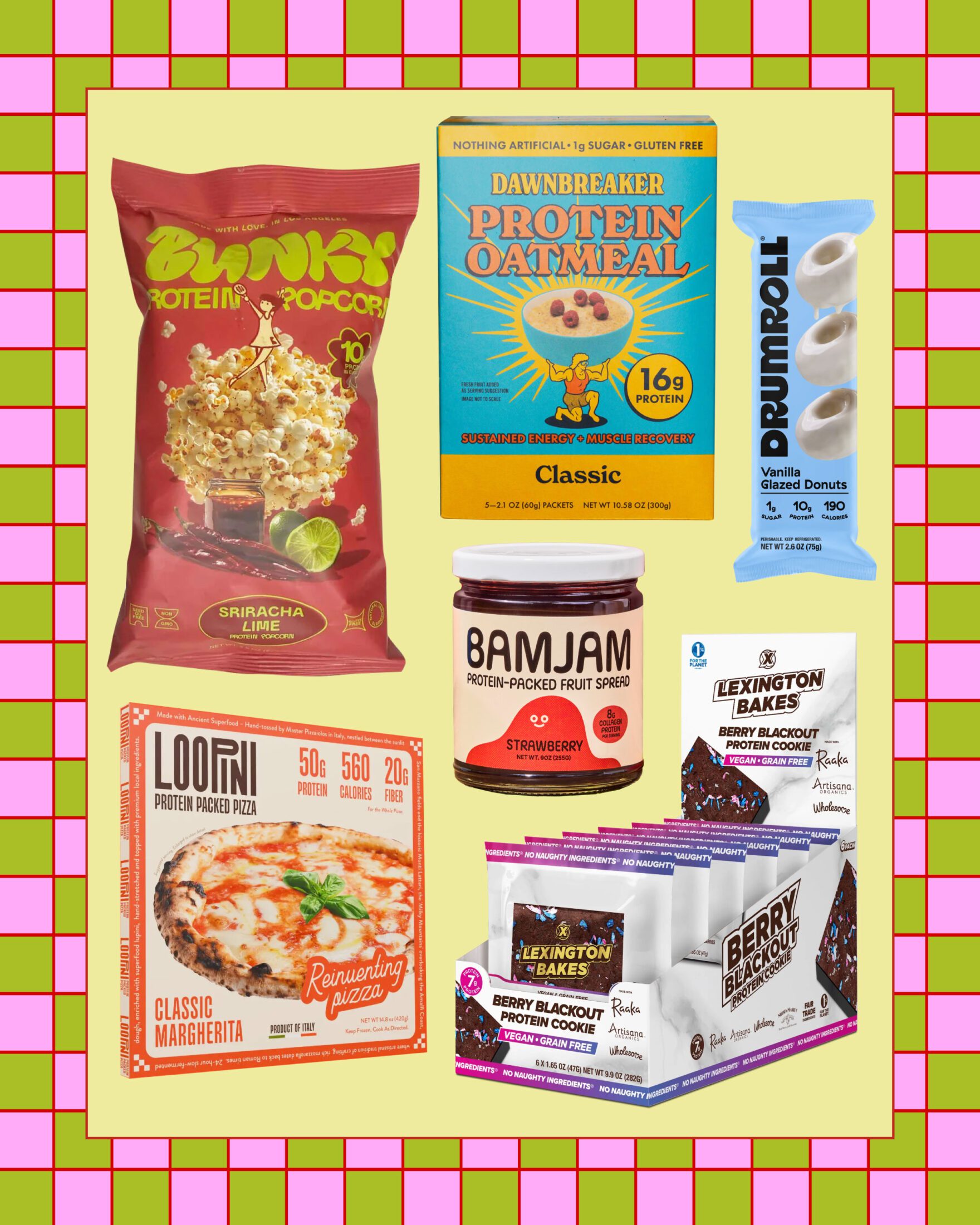
There’s now a “better-for-you” version of just about everything, including categories you’d never expect to deliver protein gains. Donuts, popcorn, jam—the list is endless. Delicious treat maker Lexington Bakes recently made the leap from indulgent baked goods to protein-focused treats, signaling just how far this shift has gone.
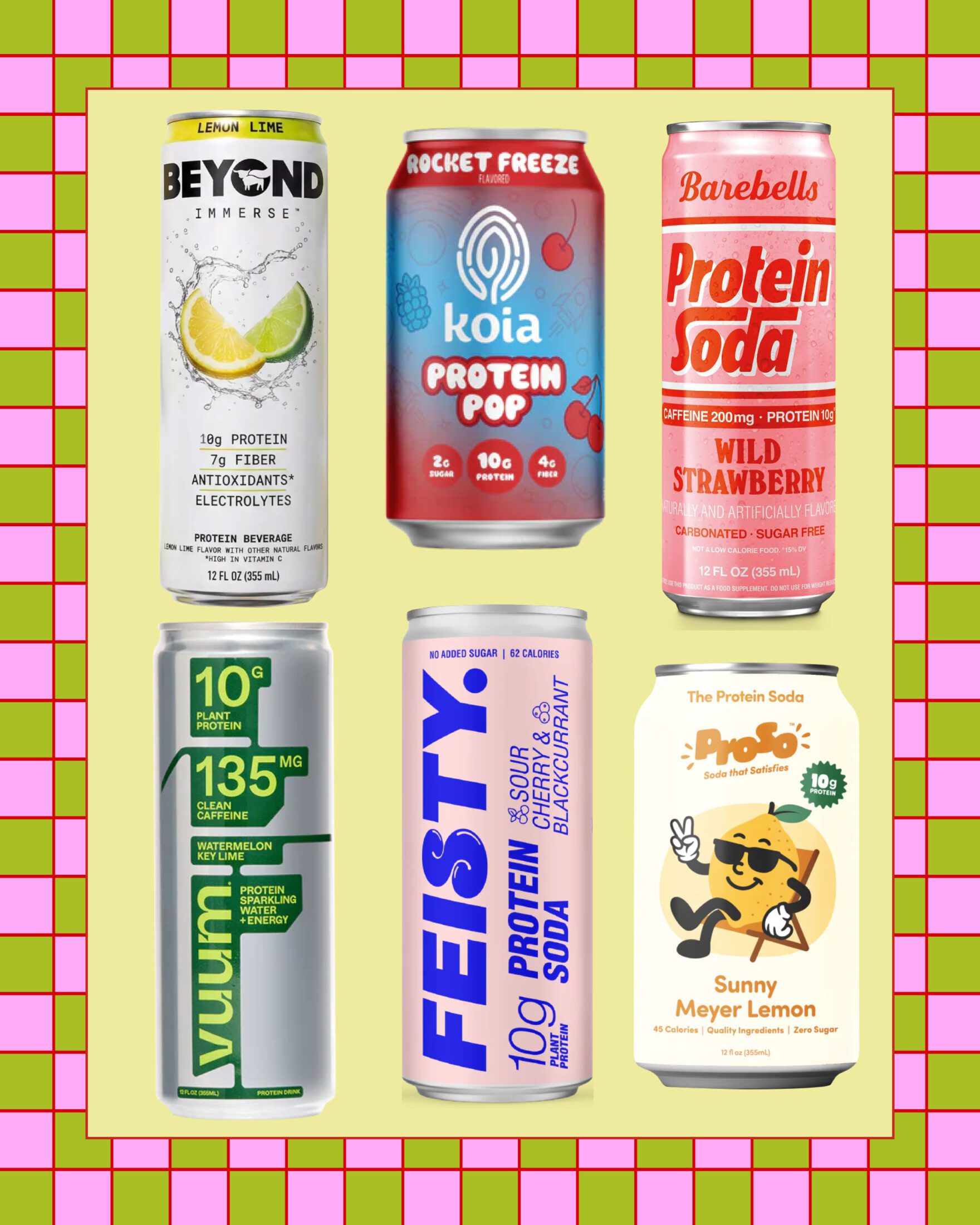
One of the more unexpected categories seeing rapid growth is protein soda. Your midday pick-me-up can now deliver 10 grams of protein. As the plant-protein food category cools, Beyond Meat made a surprising but strategic pivot into beverages with the launch of Beyond Immerse, a protein beverage offering 10 grams per serving.
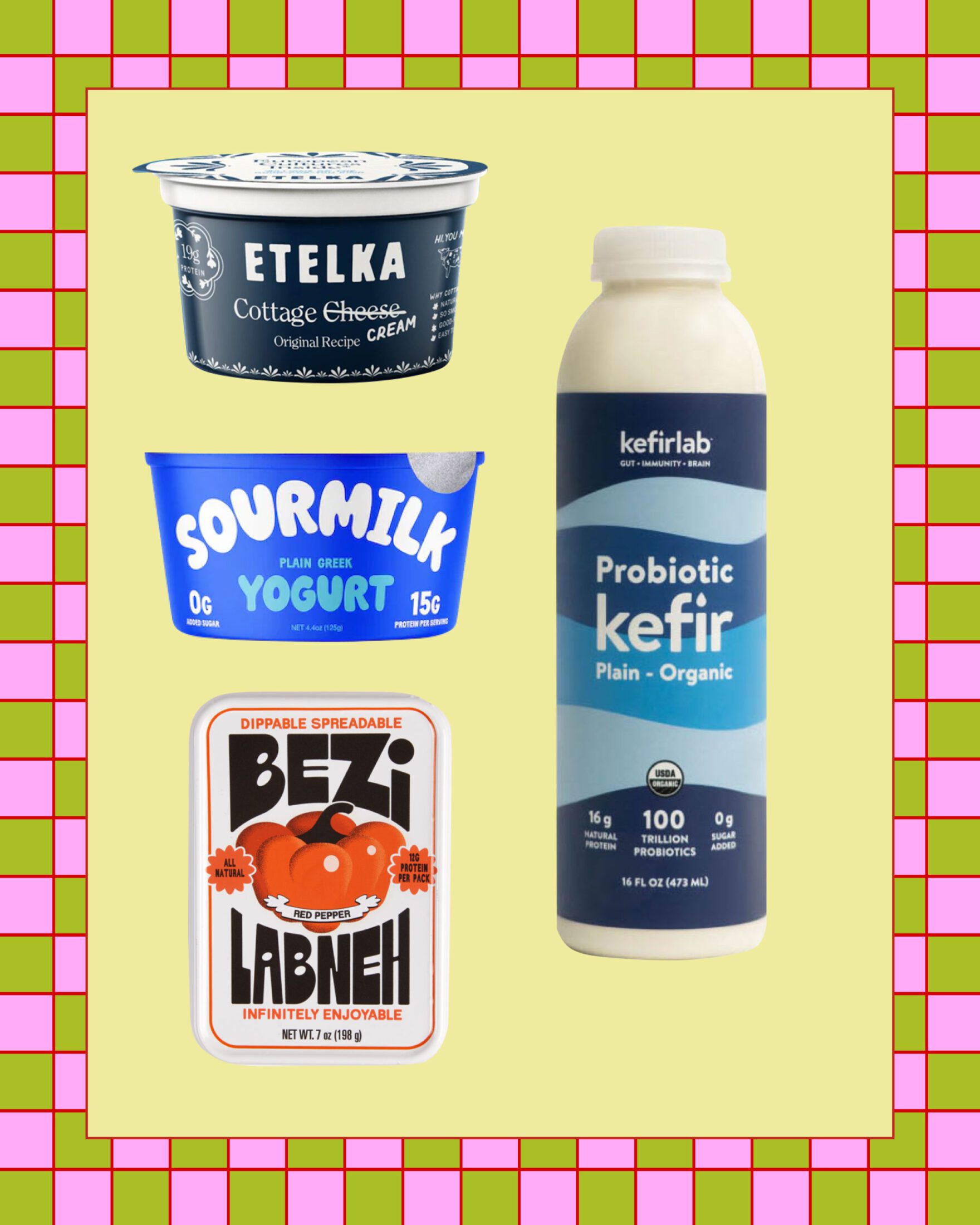
Alongside fortified protein, we’re also seeing a rise in naturally protein-rich foods. Cottage cheese has exploded year over year and brand leader, Good Culture, is now valued at over $500 million. Other dairy formats like labneh, Greek yogurt, and kefir continue to grow thanks to their naturally high protein content and added benefits like probiotics.
Fiber Is Having Its Moment
2026 is shaping up to be the year fiber really steps into the spotlight. We’ve already started hearing, “Fiber is the new protein.” While it hasn’t reached protein’s level of cultural saturation yet, fiber-forward products are popping up everywhere—and momentum is building.

“Fibermaxxing” is gaining traction thanks to fiber’s wide range of benefits, from digestive support and satiety to helping regulate blood pressure, cholesterol, and blood sugar. Brands like Olipop were early leaders, but now we’re seeing an influx of functional beverages, bars, and snacks boasting higher fiber content across the board.
The Rise of “No Seed Oils”
Another callout we’re seeing more frequently on packaging is “No Seed Oils.” This movement has been brewing in restaurants for years—Sweetgreen famously removed seed oils from their kitchens—and it’s now firmly entering the CPG space.

Alternative oils like avocado oil continue to grow, as well as other alternatives like beef tallow or ghee. Algae oil is also gaining awareness, helped along by influencer partnerships such as Nara Smith’s recent collaboration. Graza’s continued expansion is also pushing more consumers away from seed oils in everyday cooking. This shift is extending beyond pantry staples into frozen foods, snacks, sauces, and dressings.
Nostalgia, Reimagined
Beyond health trends, we’re seeing shifts in the types of products and flavors consumers are gravitating toward. One of the biggest slow-burn trends is nostalgia—both in product formats and flavor profiles.
These nostalgic offerings often remix the familiar through a modern lens: more protein, cleaner ingredients, or unexpected flavor pairings like miso caramel brownie mix. Comfort remains key, but innovation keeps it feeling fresh.

In beverages, nostalgic flavors like Shirley Temple are making a comeback. Olipop’s latest launch taps directly into this sentiment, re-creating a childhood classic in a better-for-you format. We wouldn’t be surprised to see this flavor expand beyond soda into other categories.

Another childhood classic resurfacing is peanut butter & jelly. While it often fades from our daily routines as adults, it’s a pairing that never really loses its appeal. We’re seeing PB&J show up in new forms—from high-protein snacks to better-for-you “uncrustable”-style products.
Elevated Convenience
Nostalgia is also fueling the rise of elevated box mixes—think better-for-you ingredients, unexpected flavor combinations, and results that feel impressive without requiring baking expertise. These products empower non-bakers to create something that feels special and sophisticated.

Similarly, brands are reinventing classic snacks with cleaner labels and modern twists. Al’s Real Goods offers a better-for-you take on Chips Ahoy, Cadootz reimagines Cheez-Its, and Flings delivers a healthier alternative to Pop-Tarts.
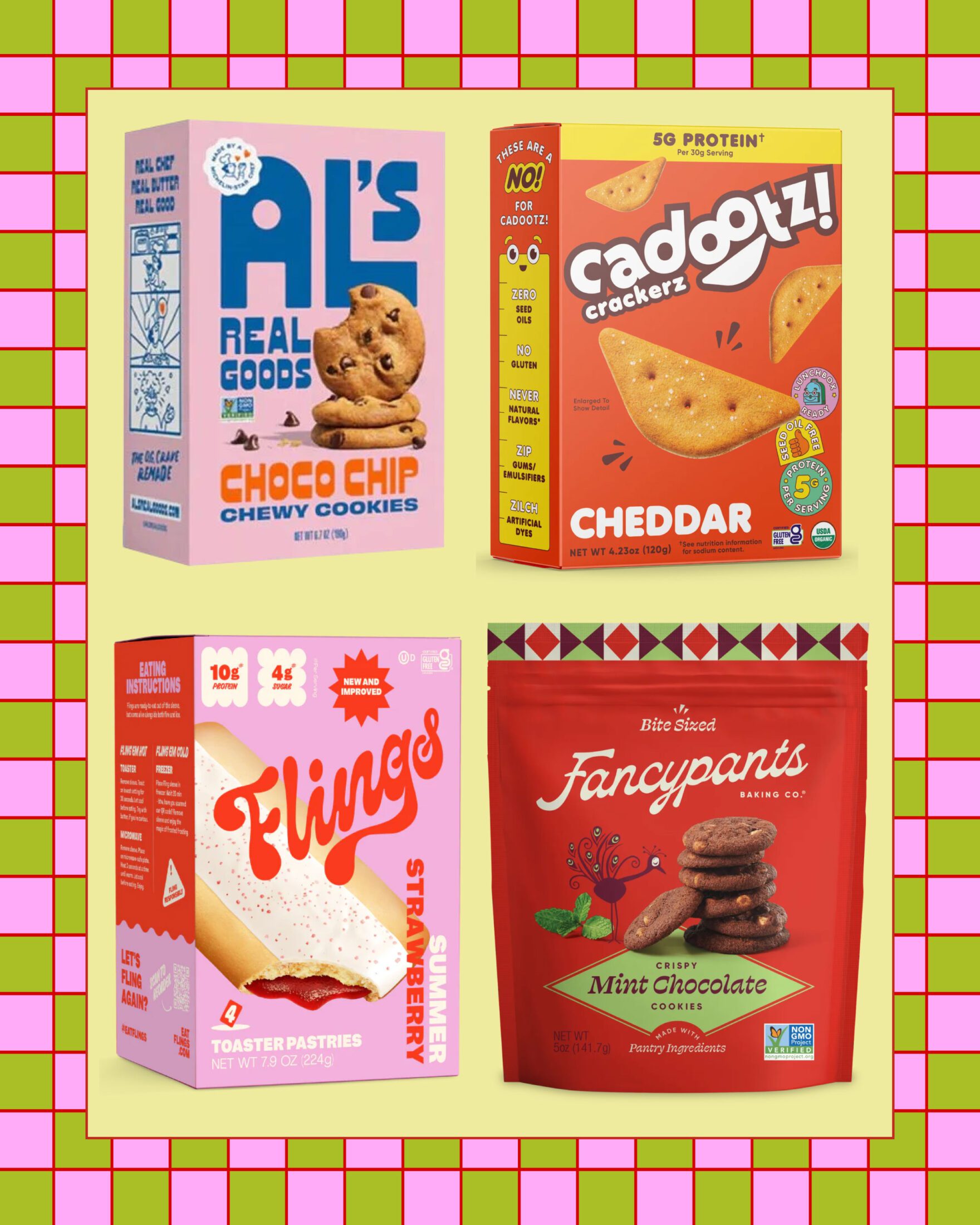
In uncertain times, consumers gravitate toward comfort and familiarity. These products deliver exactly that—while still feeling fresh, modern, and relevant for 2026.
Global Flavors Keep Expanding
Global flavors, particularly Asian flavors, continue to gain ground year after year. As consumers become more comfortable with staples like miso, gochujang, matcha, and black sesame, there’s growing opportunity to introduce less familiar flavors—and in more unexpected categories.

The Sauce Boom Continues
Last but not least: the sauce craze shows no signs of slowing down. It remains one of the most dynamic categories in food, thanks to its endless possibilities in flavor, format, and usage.

Chili crisp and chili oil are still evolving, with increasingly unique interpretations. Last year, Molly Baz shook up the mayo aisle with innovative flavor-forward offerings. This year, Graza signaled the category’s momentum by launching olive-oil-based mayo and aioli—one of its biggest expansions beyond olive oil.
From flavor exploration to new packaging formats, the sauce aisle is only getting bigger—and more exciting.
As we look ahead to 2026, these trends all point to the same core truth: consumers want food that works harder for them without sacrificing joy. Whether it’s protein showing up in unexpected places, fiber finally getting its moment, nostalgic flavors offering comfort, or sauces and global flavors bringing excitement back into everyday meals, the common thread is balance. Better-for-you is no longer about restriction—it’s about enhancement. Brands that succeed this year will be the ones that blend function with flavor, familiarity with innovation, and health with indulgence in ways that feel effortless, exciting, and deeply human.