
Return to Blog
Anchored in Tradition Yet Casting Forward: Key Takeaways from Seafood Expo 2026

The 2026 Seafood Expo offered a clear snapshot of an industry rooted in tradition, yet beginning to test the waters of change. For a first-time attendee, one of the most striking impressions was just how deeply heritage shapes the category—both in product and presentation. While this sense of tradition lends credibility, it also creates a sea of sameness that can make it difficult for brands to truly stand out.

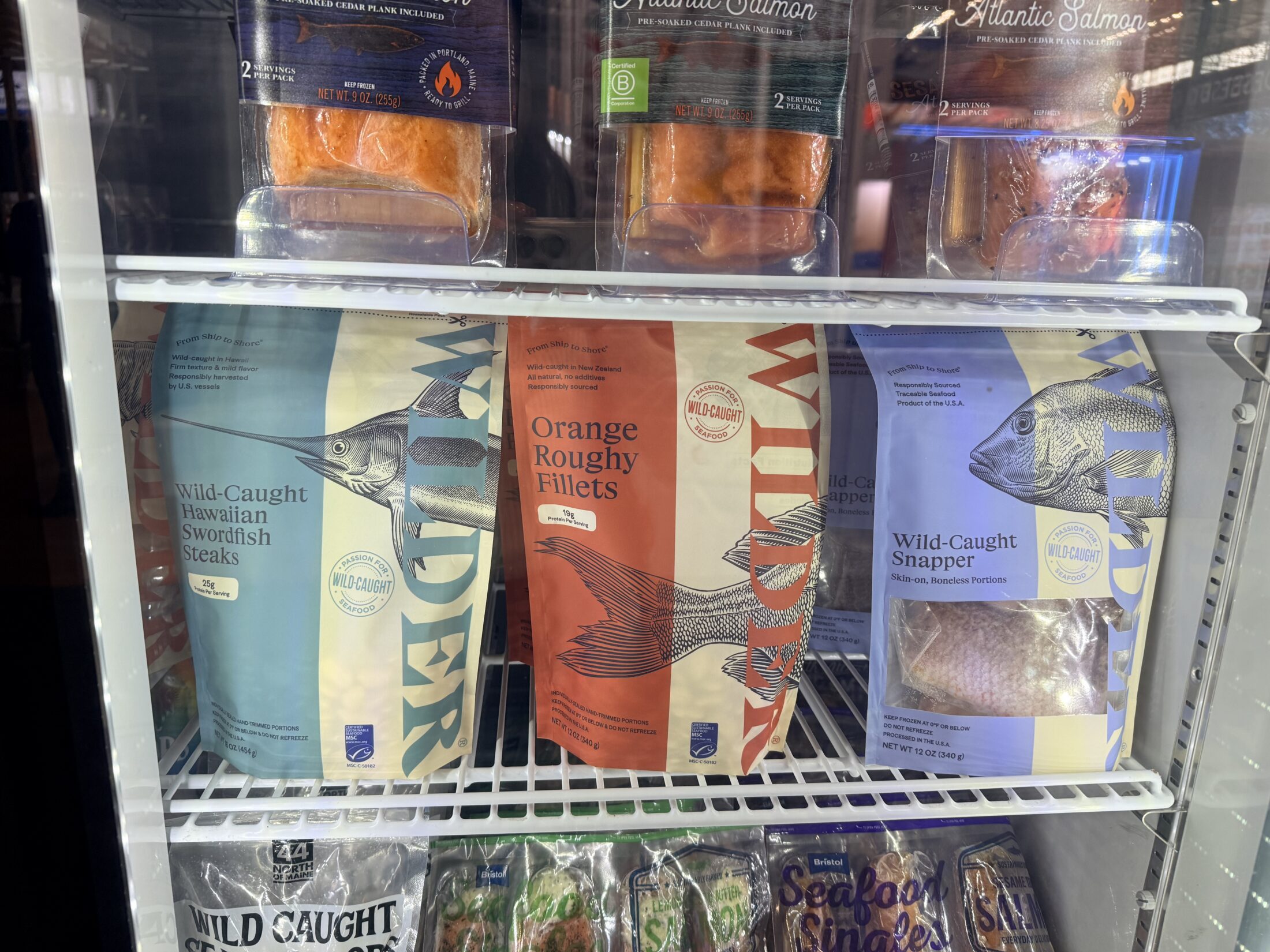
Sustainability and ethical sourcing emerged as dominant themes across the show floor. Messaging around “line-caught” fish and clean farming practices was nearly ubiquitous, signaling that transparency is no longer a differentiator, but an expectation. While protein-forward positioning has long been a driver in broader CPG, seafood brands are only just beginning to spotlight protein more prominently, particularly on front-of-pack.
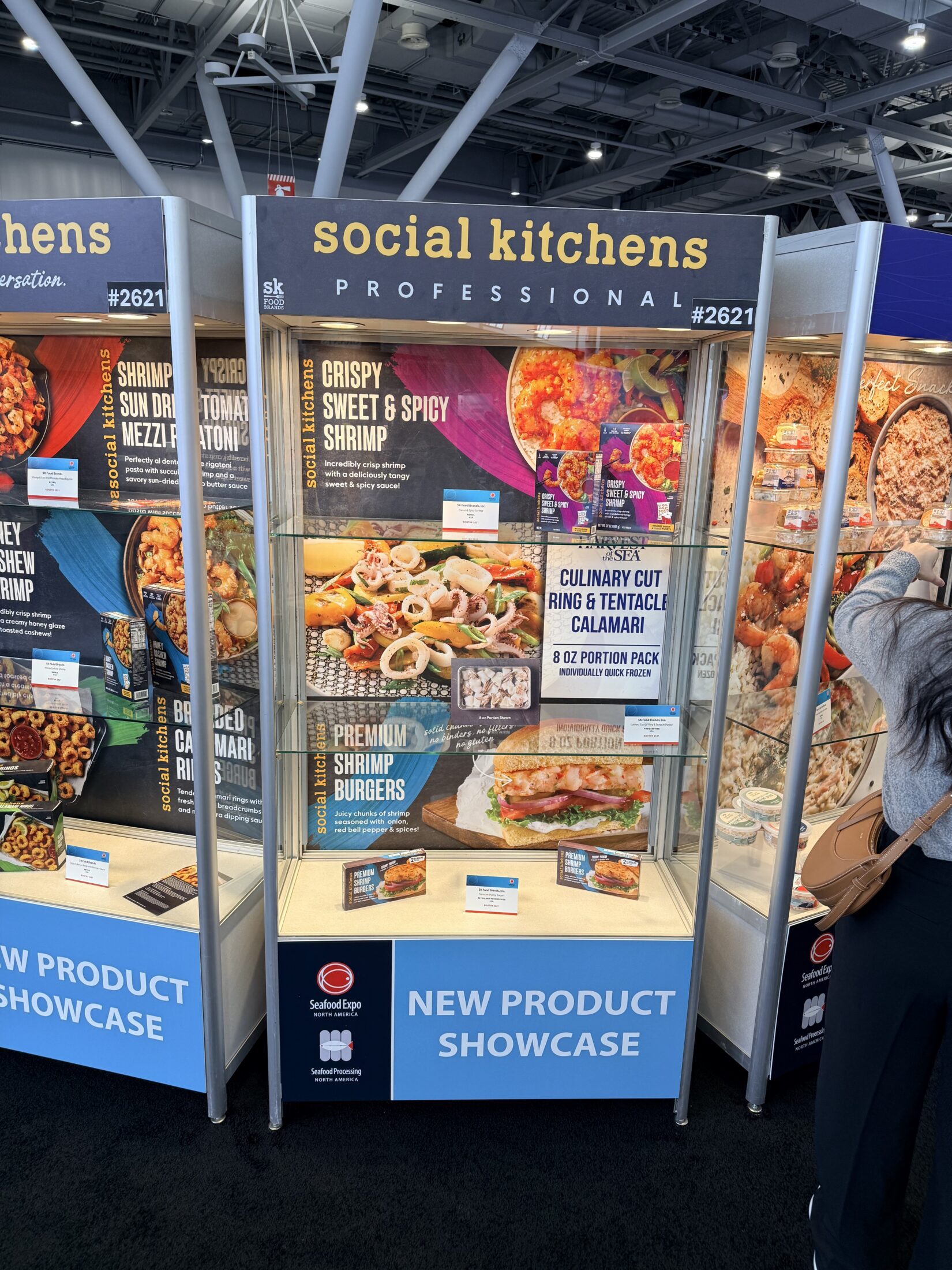
In terms of product innovation, convenience-driven offerings are gaining traction. “Meal builders”—pre-sauced, breaded, or flavor-infused seafood designed for easy preparation—were especially prevalent. These products often featured globally inspired, on-trend flavors like gochujang, miso glaze, and cacio e pepe, reflecting an effort to make seafood more approachable and less intimidating for home cooks. Restaurant quality cooking at home. Among standout items, SK’s Maple Biscuit Shrimp brought a notably unique twist, breaking away from the more expected flavor profiles seen elsewhere.
Snacking and protein portability also made an appearance, with brands like Surf Snax introducing a salmon meat stick—an unexpected format that taps into both convenience and protein trends, echoing the success of products like jerky and meat sticks in adjacent categories like Chomps and Slim Jims. Seafood skeptics could even enjoy this – disguising seafood to look and taste more like meat.
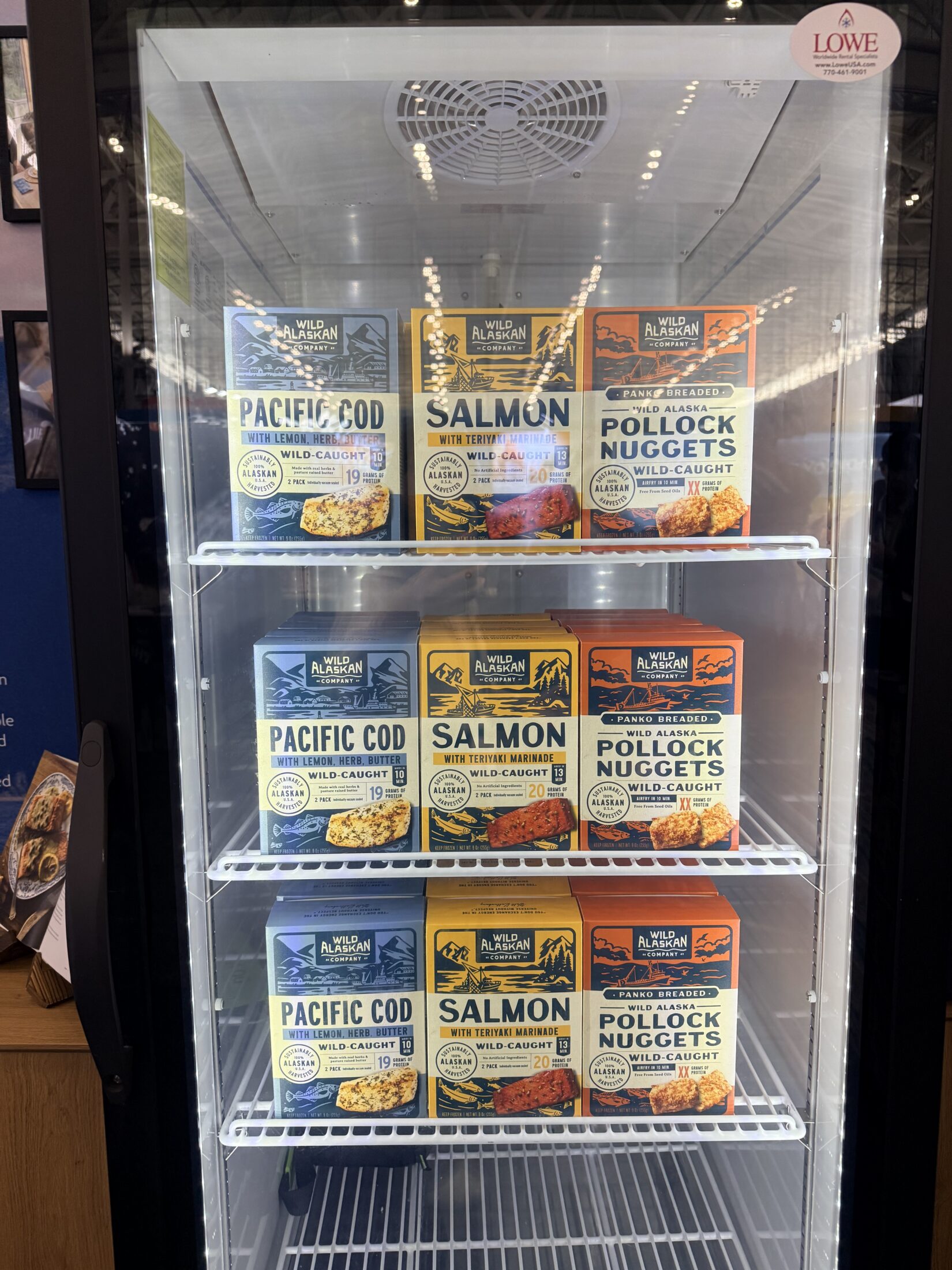
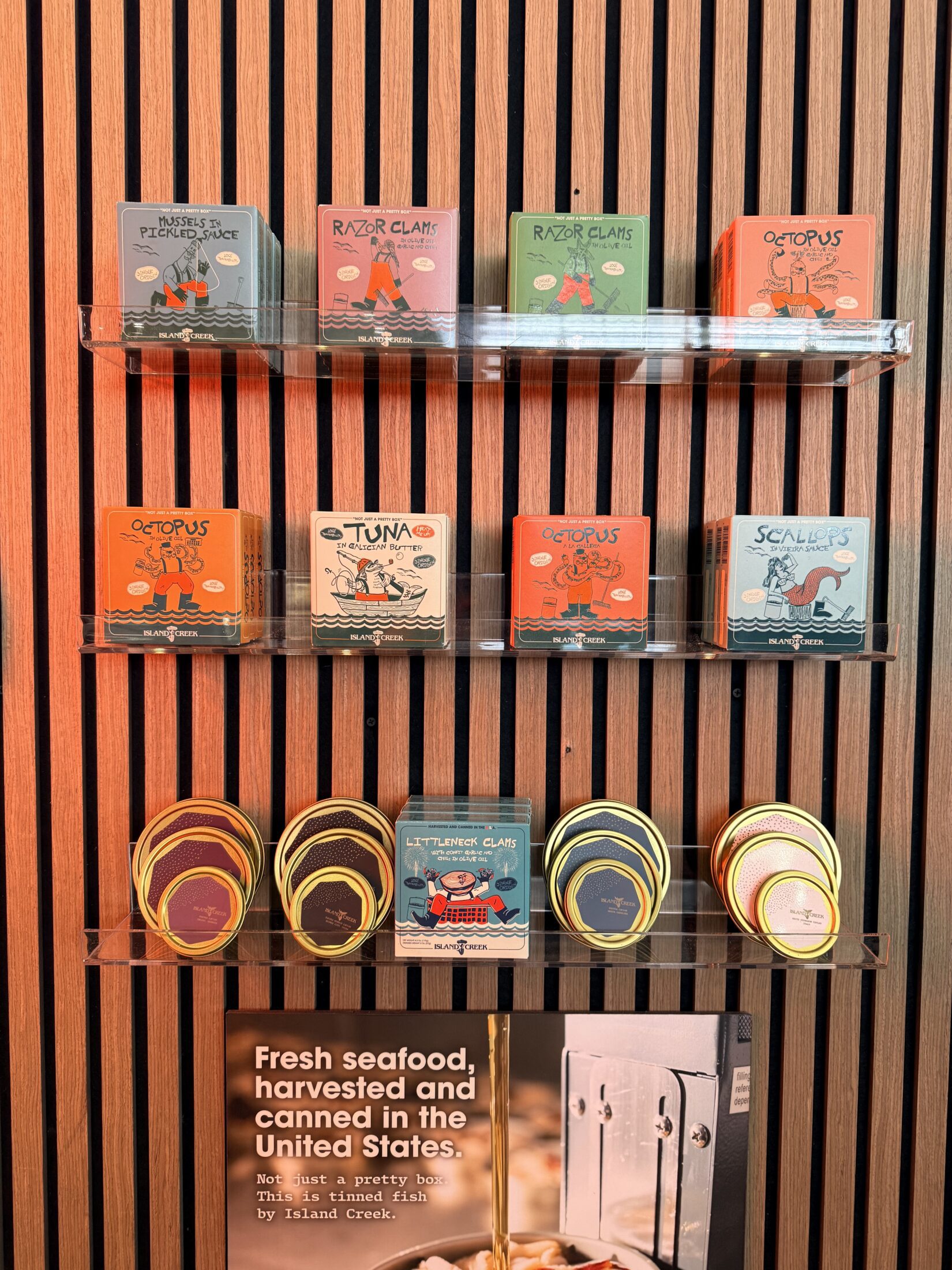
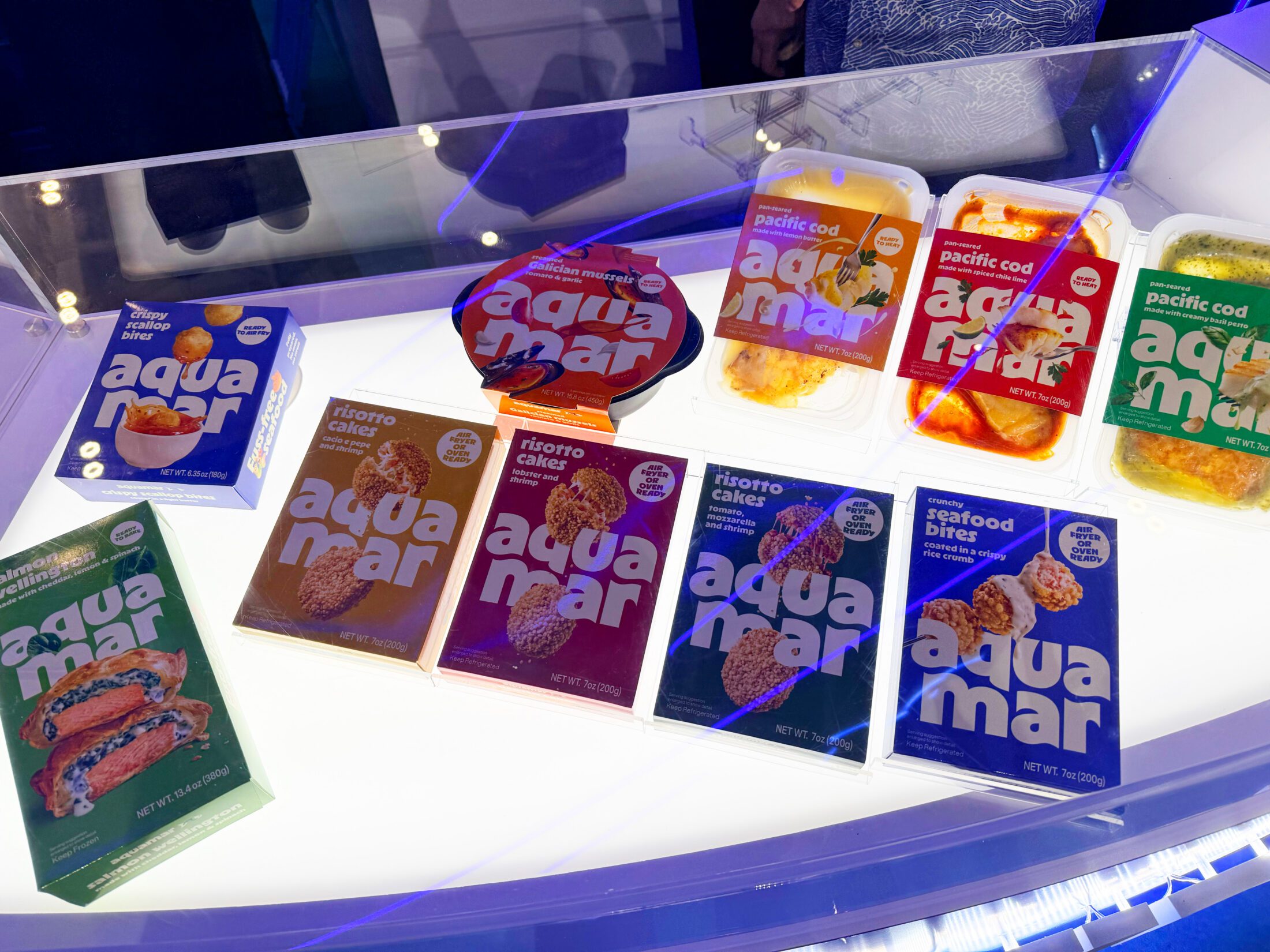
Branding and booth design revealed a similar tension between tradition and modernity. A large portion of exhibitors leaned heavily on classic blue-and-white palettes and familiar maritime cues, reinforcing category norms but often blending together visually. However, a few brands broke through. SK Seafoods created an immersive, restaurant-style booth with an open kitchen, effectively demonstrating both foodservice versatility and retail ease-of-use. Island Creek Oysters stood out with a warm, contemporary booth featuring natural wood and rich green tones, complemented by a new line of personality-driven tinned fish packaging. AquaMar embraced a more playful, CPG-inspired aesthetic with bold colors and youthful branding, paired with a lineup of heat-and-eat products like salmon wellington and risotto cakes. Meanwhile, Wild Alaskan struck a balance between heritage and modernity, using lithograph-style designs in bright, fresh applications.
Overall, the 2026 Seafood Expo highlighted an industry at an inflection point. While many brands remain anchored in tradition, there are clear signals of evolution—particularly in flavor exploration, convenience formats, and branding experimentation. The challenge moving forward will be how confidently brands can push beyond established norms without losing the trust and authenticity that define the category. With early signs of innovation beginning to surface, 2027 may reveal a more distinct shift toward differentiation.