
Return to Blog
PLMA 2026: The Rise of Private Label Innovation
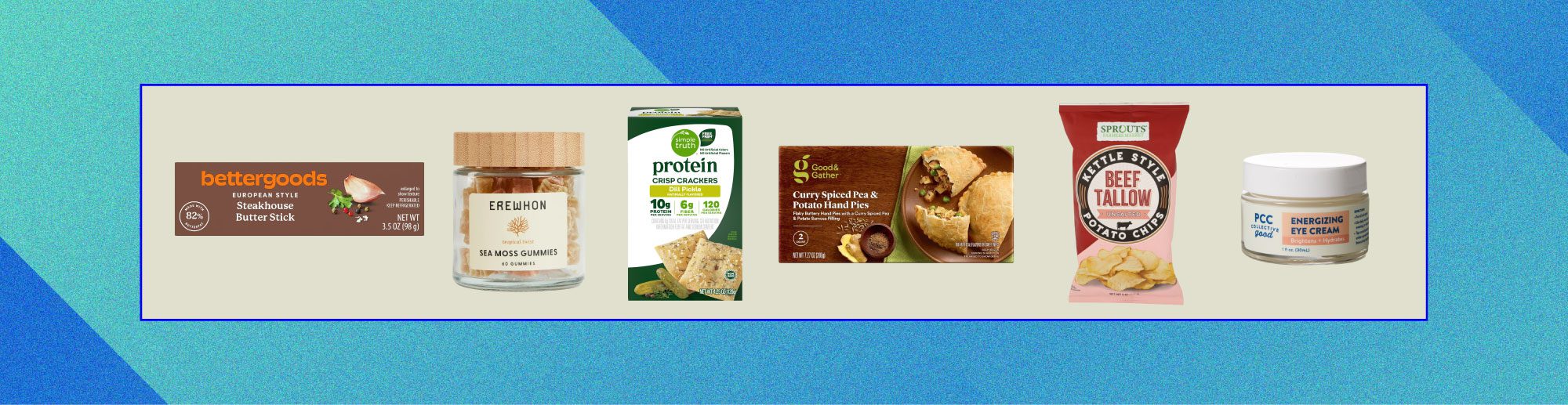
The 2026 PLMA’s Private Label Trade Show, held November 15–17 in Chicago, showcased the continued rise of private label. As economic uncertainty drives consumers to seek greater value, store brands are thriving by offering high-quality products at accessible prices. According to PLMA, store brand dollar sales grew 3.3%, nearly three times the 1.2% growth of national brands, making 2025 their most successful year yet.
But private label is no longer competing on price alone. Retailers are going head-to-head with national brands, introducing trend-forward products that prioritize quality, innovation, and differentiation. PLMA calls this shift “value luxury,” where elevated products and packaging create an aspirational experience without the premium price tag.
As John Conlin, Senior VP of Merchandising for Food & Beverage at Target, noted during his keynote, the strategy “isn’t about more products, it’s about the right products.”
That sentiment was reflected throughout the show, with three standout trends: premium specialty products, accessible wellness, and authentic global flavors.
1. Premium & Specialty: Elevating the Everyday
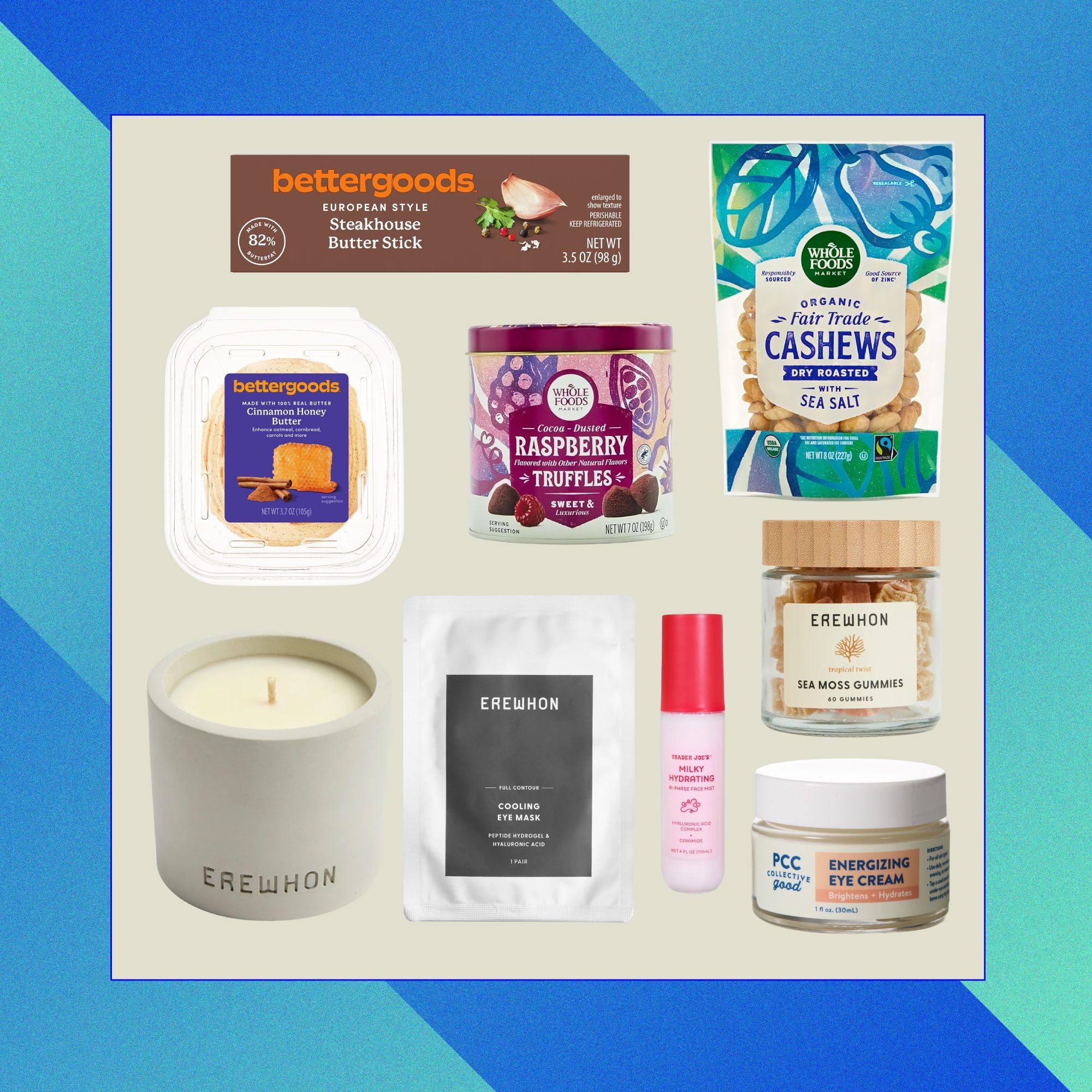
Millennial and Gen Z shoppers are seeking quality, innovation, and something unexpected. Products once reserved for specialty retailers are increasingly appearing in everyday grocery aisles under private label brands.
Walmart’s Bettergoods European Steakhouse Butter Stick, a 2026 PLMA Salute to Excellence Award winner, transforms an everyday staple into a specialty culinary experience. Meanwhile, PCC Community Markets earned the same recognition for its Energizing Eye Cream, demonstrating that premium innovation extends beyond food and beverage and into the beauty and personal care.
These products reflect a larger shift, private label is moving beyond the basics. Store brands are offering specialty products that feel more like boutique discoveries. Through thoughtful product development and elevated packaging, retailers are making premium experiences more accessible.
2. Accessible Wellness: Better-for-You Without Compromise
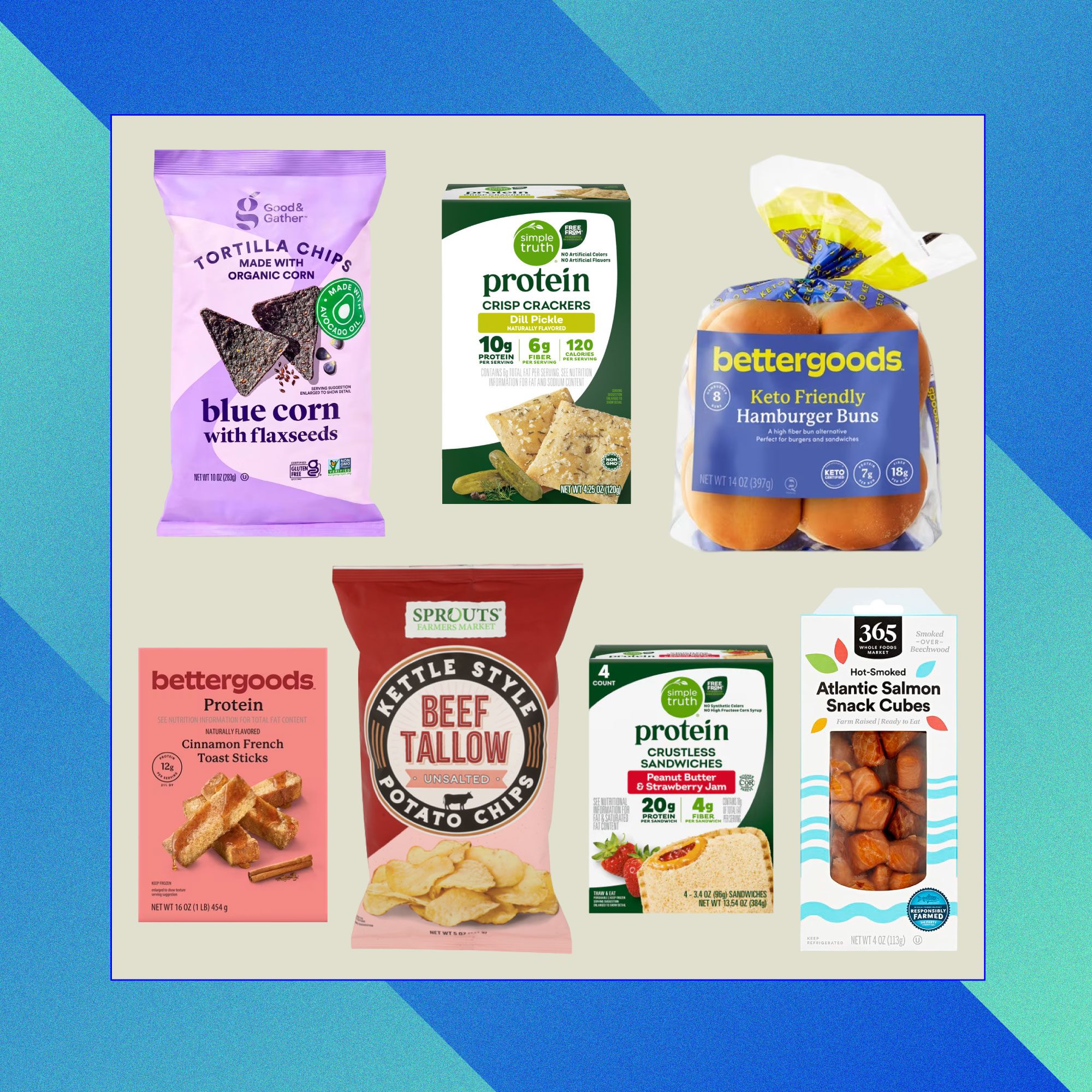
Health-conscious consumers are looking for shorter ingredient lists, minimally processed foods, and nutrient-dense products that deliver more than just great taste.
Retailers are responding with more accessible better-for-you options. During his keynote, Target’s John Conlin highlighted the launch of more than 20 Good & Gather snacks reformulated with avocado oil, reflecting the shift toward more thoughtful ingredients at everyday prices.
Across the show, innovation included products without refined sugars, vegetables as the first ingredient, and familiar favorites enhanced with protein, fiber, collagen, or adaptogens.
With the growing number of GLP-1 consumers, exhibitors also emphasized nutrient-dense, protein and fiber-rich products. Protein, in particular, is expanding beyond shakes and bars into unexpected formats like sodas, coffees, crackers, and even mac and cheese.
Consumers increasingly want everyday foods to deliver functional benefits, but taste remains non-negotiable. The opportunity lies in creating familiar, craveable products with a better-for-you twist, without sacrificing flavor or enjoyment.
3. Global Flavors: Authenticity Meets Innovation

The international foods aisle has become a destination for innovation, with consumers seeking authentic regional cuisines and flavors beyond familiar Americanized interpretations.
According to PLMA, 80% of Americans eat at least one ethnic cuisine each month, creating opportunities for retailers to differentiate through globally inspired offerings.
Beyond traditional international foods, brands are reimagining familiar favorites through unexpected culinary mashups. An Everything Bagel Breakfast Bao combines the flavors of an everything bagel and cream cheese with a soft steamed bun, while pizza-inspired dumplings give nostalgic pizza bites a new format.
These playful combinations balance familiarity with discovery, offering approachable ways for consumers to explore new flavors. For private label brands, global innovation creates opportunities to introduce distinctive products shoppers can’t find elsewhere.
The Future of Private Label: More Than Just Value
PLMA 2026 reinforced that private label has evolved far beyond being the budget-friendly alternative. Store brands are no longer simply following national brands but, in some categories, are leading the way in product innovation, introducing new flavors, functional benefits, and premium experiences ahead of traditional CPG brands.
For retailers, the opportunity is no longer just about offering comparable products at lower prices, but creating unique offerings consumers actively seek out. The future of private label isn’t about being the cheaper choice. It’s about becoming the preferred choice.